
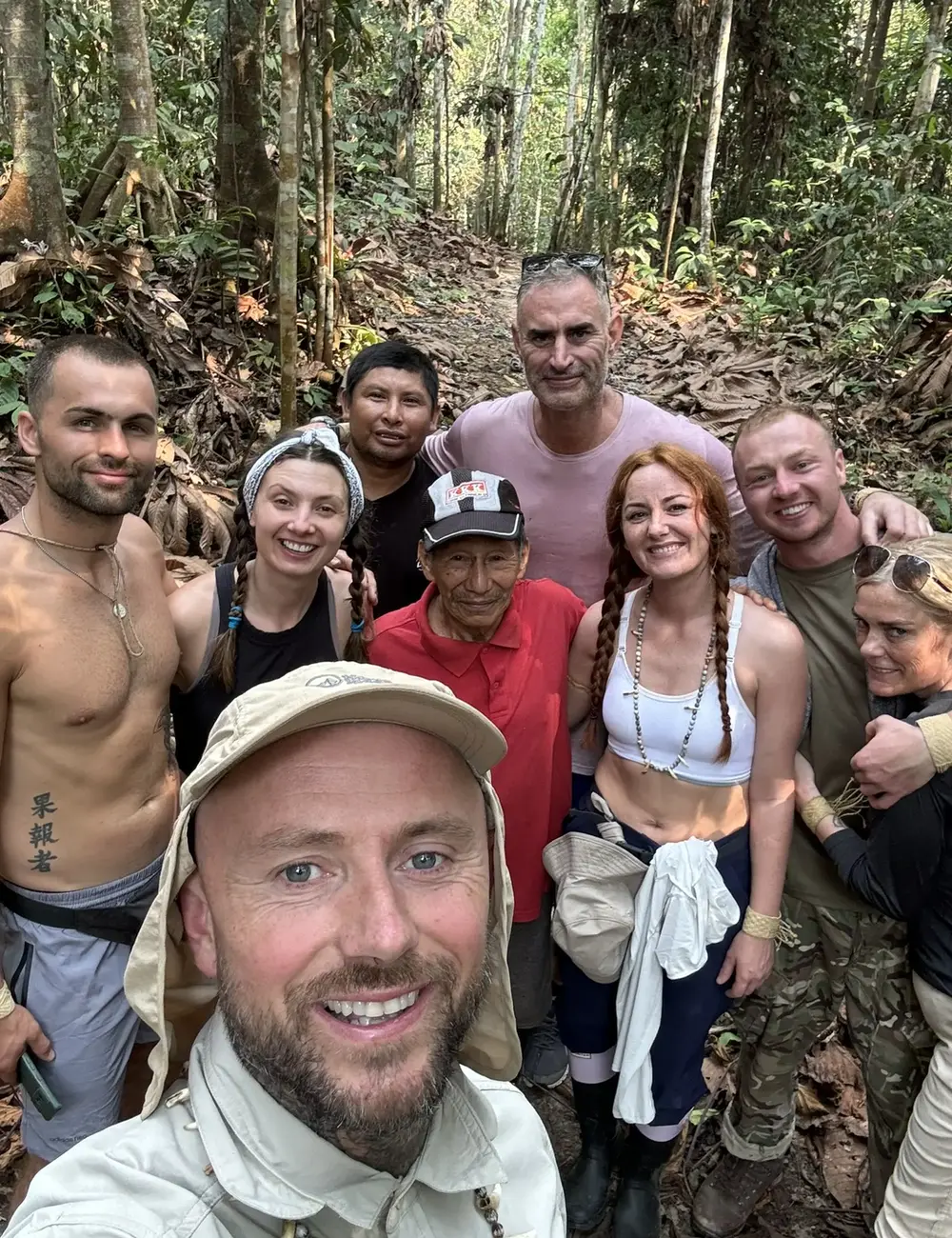
Applying for practitioner training is not simply a request for a course place. It begins a conversation about motivation, readiness and the responsibility involved in working with other people.
01
Responsibility before technique
We look for applicants who are willing to be honest, work within their limits and put another person’s welfare first. You can learn technique during training; a sense of responsibility needs to guide that learning from the start.
Applicants do not need to arrive knowing everything. They do need to be ready to listen, study, receive feedback and take screening, consent and professional boundaries seriously.
02
What the learning is built around
Our training combines practical experience, client awareness and structured education. We cover the origins of Kambo, responsible application, screening, physiological responses, client care, ethics and emergency awareness.
- Practical learning with clear supervision
- Screening, consent and contraindication awareness
- Respect for traditional origins and ethical sourcing
- Client care before, during and after a session
- Continued mentorship after initial training
03
The application is a two-way conversation
The application gives KPA a chance to understand an applicant’s intentions and gives the applicant space to ask direct questions about the commitment involved. A thoughtful application is more useful than a polished one.
Acceptance onto training is the beginning of a development pathway, not a promise of automatic progression. Each later stage is based on experience and demonstrated ability over time.
The strongest starting point is not certainty. It is the willingness to learn carefully, act responsibly and remain accountable as experience grows.
This article shares KPA values and organisational information. It is not medical advice. Anyone considering Kambo should complete appropriate screening with a suitably trained practitioner and seek medical advice where needed.